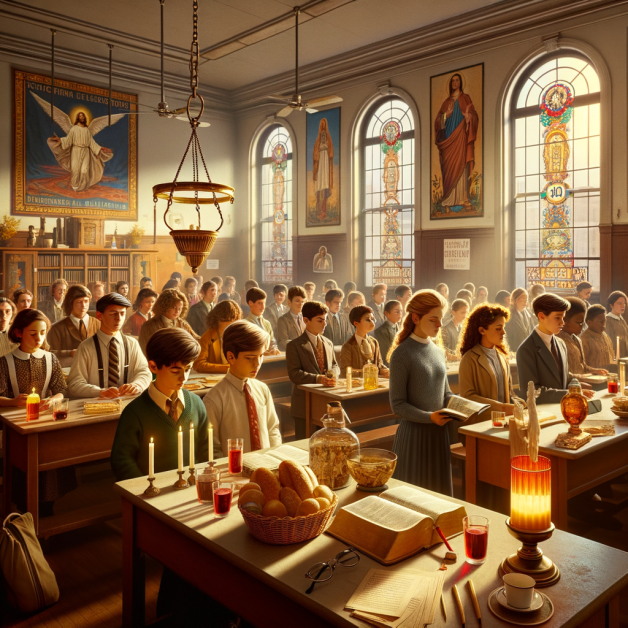
Exploring Confirmation and Communion in 1970s Brooklyn Schools
The 1970s was a transformative decade in the United States, marked by significant cultural and social shifts. In Brooklyn, New York, this era held particular significance for the Catholic community, especially in relation to the sacraments of Confirmation and Communion in schools. This blog delves into the educational, social, and spiritual dimensions of these sacraments during this pivotal time.
The Importance of Confirmation and Communion
Within the Catholic Church, Confirmation and Communion are essential sacraments that serve as milestones in a young person's faith journey. Understanding their role in educational settings, particularly in Brooklyn schools, offers insight into the spiritual life and community dynamics of the 1970s.
The Sacraments Defined
Confirmation is the sacrament that completes the grace of baptism, signifying a deeper commitment to the Catholic faith. Meanwhile, First Communion allows individuals to partake in the Holy Eucharist for the first time, symbolizing their acceptance of Jesus Christ.
- Confirmation involves an anointing and the laying on of hands, imparting the Holy Spirit.
- First Communion is a public rite where children usually around ages 7-8 receive the host and wine for the first time.


&AttributeValue=NA®ion={%22name%22:%22FrontCenter%22,%22width%22:12,%22height%22:12,%22alignment%22:%22TopCenter%22,%22orientation%22:0,%22dpi%22:100,%22crop_x%22:0,%22crop_y%22:0,%22crop_h%22:1200,%22crop_w%22:1200,%22scale%22:0,%22template%22:{%22id%22:101500277,%22params%22:{}}}&cid=PUartJBjiF%2fyg4FdKqiggQ%3d%3d+%7c%7c+lcPIQlbx1EDyvulVpdNYNw%3d%3d)
&AttributeValue=NA®ion={%22name%22:%22FrontCenter%22,%22width%22:12,%22height%22:12,%22alignment%22:%22TopCenter%22,%22orientation%22:0,%22dpi%22:100,%22crop_x%22:0,%22crop_y%22:0,%22crop_h%22:1200,%22crop_w%22:1200,%22scale%22:0,%22template%22:{%22id%22:101500277,%22params%22:{}}}&cid=PUartJBjiF%2fyg4FdKqiggQ%3d%3d+%7c%7c+lcPIQlbx1EDyvulVpdNYNw%3d%3d)


The Role of Brooklyn Schools
In the 1970s, Brooklyn was home to numerous Catholic schools that played a pivotal role in religious education. The schools not only focused on academics but also emphasized moral values and spiritual growth through sacramental preparation.
Curriculum and Religious Education
Courses across these schools included:
- Religious education classes discussing the importance of sacraments.
- Preparation workshops in which students learned about the meanings and significance of Confirmation and Communion.
- Community service projects encouraging students to live out their faith actively.
Cultural Context in the 1970s
The cultural landscape of Brooklyn in the 1970s was profoundly shaped by various influences, including immigration, socio-economic challenges, and evolving societal norms. These elements influenced how religious education was perceived and practiced within schools.
The Impact of Diversity
Brooklyn's rich cultural tapestry included a mix of traditional Catholic populations alongside newer immigrant communities, leading to a unique blend of religious practices. Schools often had to adapt their approaches to cater to diverse backgrounds while maintaining doctrinal integrity.
Communal Celebrations and Family Involvement
Communion and Confirmation ceremonies served as communal events that reinforced family bonds and connections within the broader Catholic community.
The Ceremony and Family Engagement
Key aspects included:
- Family participation: Families typically gathered for the ceremonies, with grandparents, aunts, uncles, and others participating actively.
- Community support: Local parishes often hosted celebratory receptions following the ceremonies, fostering a sense of community.
- Gift-giving traditions: It was customary for relatives to gift special items like rosaries, prayer books, or personalized keepsakes to the confirmands and First Communicants.



Reflections on the Legacy
The experience of receiving Confirmation and Communion in Brooklyn schools during the 1970s left lasting impressions on individuals and communities. As many of these individuals grew older, the values instilled during this period influenced their paths in life.
Conclusion
The sacraments of Confirmation and Communion served as much more than religious milestones; they shaped a generation's identity in Brooklyn. Through the lens of education, community, and family involvement, we gain a deeper appreciation for the influence these sacraments had not just on participants, but on the entirety of society during an era of change.
As we continue to reflect on these formative years, it is crucial to understand the depth of cultural and spiritual resilience that emerged from the sacred spaces of our schools.


